The Bible's Calendar

Embracing the Beauty of Shabbat Prayers

Shabbat, the biblical day of rest, is a beautiful time for family, friends, reflection, and spiritual renewal. Central to the observance of Shabbat are the heartfelt prayers and blessings that mark the beginning of this sacred day. These rituals, steeped in tradition, offer moments of gratitude, connection, and joy. Let’s explore some of the key prayers and blessings observed during the Shabbat meal.

Blessing Over the Children

A treasured tradition on Shabbat is the blessing of children. Parents place their hands on their children’s heads and recite a special blessing:

  • For Daughters:May God bless you as God blessed Sarah, Rebecca, Rachel, and Leah.
  • For Sons:May God bless you as God blessed Ephraim and Mannaseh.

Personalized blessings can also be given, reflecting each child’s unique gifts and circumstances. This intimate moment of prayer strengthens a child’s sense of identity familial bonds, and conveys hope and love.

Blessing Over the Wife: A Tribute to Virtue

Another beautiful tradition is the recitation of Proverbs 31:10-31. Known as Eshet Chayil, this passage praises the virtues of a godly woman, celebrating her strength, wisdom, and kindness.

“Who can find a virtuous wife? For her worth is far above rubies… Charm is deceitful and beauty is passing, but a woman who fears the Lord, she shall be praised.”

This acknowledgment uplifts women and serves as a reminder of the value of dedication and love.

Blessing Over the Husband: Honoring Righteousness

In return, the husband is often blessed through the reading of Psalm 112, which speaks of the blessings that come to a righteous man:

“Blessed is the man who fears the Lord, who delights greatly in His commandments… His heart is steadfast, trusting in the Lord.”

This reciprocal act of blessing fosters a spirit of mutual appreciation and respect within the family.

The Priestly Blessing: A Shared Benediction

Families often join hands to recite the Aaronic Blessing from Numbers 6:22-27:

“The Lord bless you and keep you; The Lord make His face shine upon you, and be gracious to you; The Lord lift up His countenance upon you, and give you peace.”

This ancient and powerful prayer calls upon God’s protection and peace for the family and community.

Candle Lighting: Welcoming the Shabbat

Shabbat officially begins with the lighting of candles, accompanied by the blessing:

Barukh ata Adonai Eloheinu, Melekh ha’olam, asher kid’shanu b’mitzvotav v’tzivanu l’hadlik ner shel Shabbat.

Translation: Blessed are You, Lord our God, King of the universe, Who has sanctified us with His commandments and commanded us to light the Shabbat lights.

This simple yet profound act brings warmth and light into the home, symbolizing the spiritual illumination of Shabbat.

Blessing Over the Bread and Wine

The festive Shabbat meal is accompanied by blessings over bread and wine. This will no doubt remind followers of Jesus of sharing communion – that is no accident!

  • Blessing Over the Bread (HaMotzi):Baruch ata Adonai, Eloheinu Melech ha-olam, hamotzi lechem min ha’aretz.
    • Translation: Blessed are You, Lord our God, King of the Universe, who has brought forth bread from the earth.
  • Blessing Over the Wine (Kiddush):Baruch ata Adonai, Eloheinu Melech ha’Olam borei pri hagafen.
    • Translation: Blessed are You, Lord our God, King of the Universe, who creates the fruit of the vine.

Conclusion

The prayers of Shabbat offer a profound opportunity to pause, reflect, and reconnect with God and loved ones at the end of a busy week. Through these blessings, families express gratitude, honor God and each other, and invite peace and joy of the Lord into their homes. Whether you are observing Shabbat for the first time or continuing a cherished tradition, may these prayers enrich your experience and bring blessing into your life.

Shabbat Shalom!
Biblical Archaelogy

Our Spiritual Ancestry.Com

Western Wall
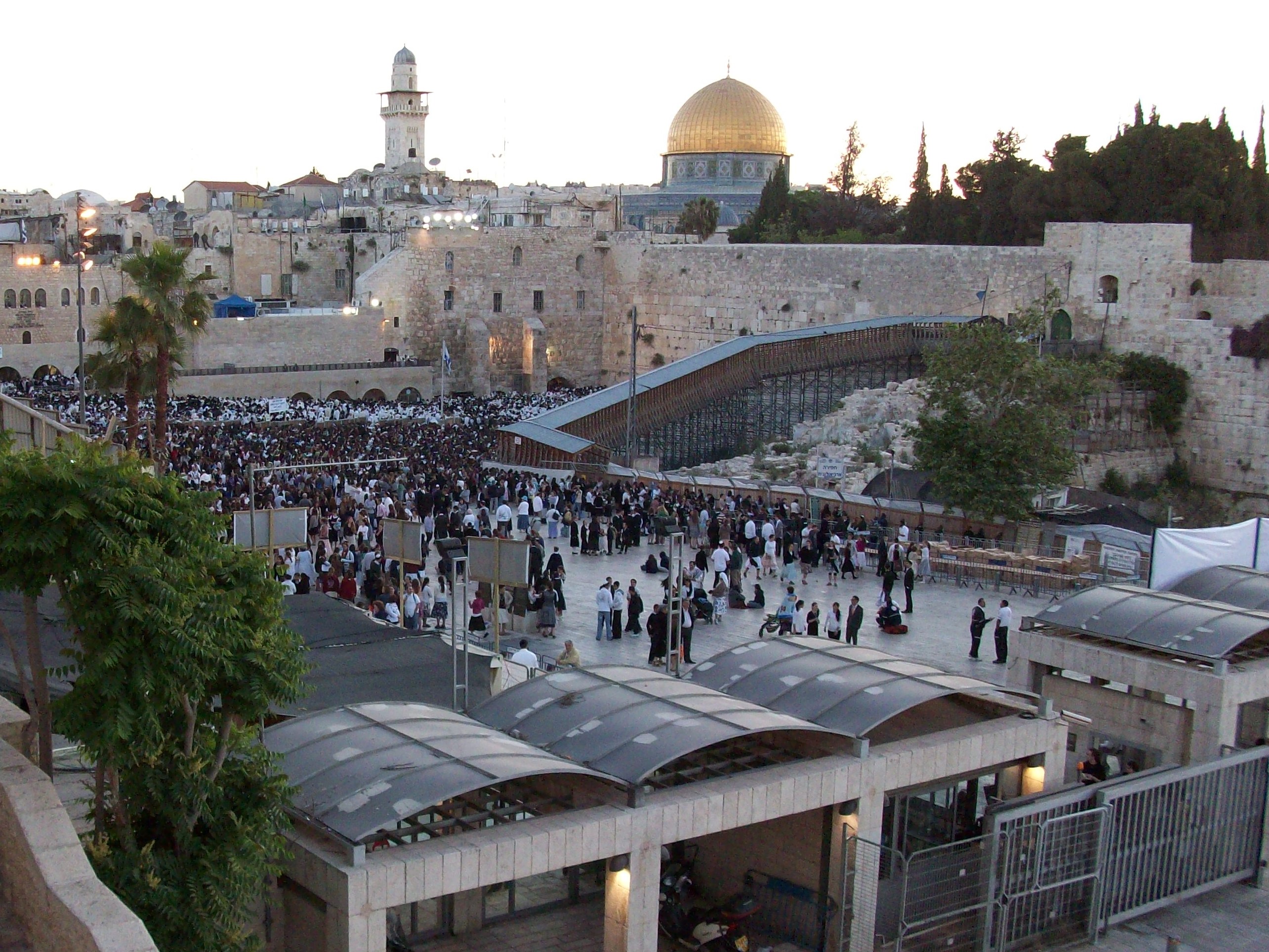
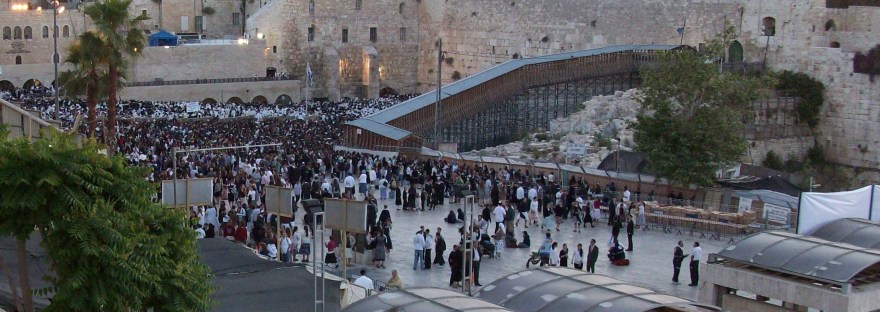
The Western Wall of the Second Temple built by Herod the Great

History matters.  Context matters.  How did you get where you are and why are you doing what you are doing today?  I imagine that, like me, a whole series of events and circumstances have led you to the who, what and why of your today. To truly understand a person, you have to understand their history and the context of their journey.  Beyond that, to even understand yourself it helps to understand those who came before you and the context in which they lived their lives. That’s why DNA testing and sites like ancestry.com have become so popular.

For many of us, our spiritual DNA is even more important than our physical DNA. The Bible serves as our spiritual ancestry.com. It’s through the Bible that we get to know God and those who preceded us in walking with him here on Earth – that “great cloud of witnesses” as the writer of Hebrews puts it.   The Protestant Bible was written by over 40 people across the span of 1500 years.  As we dig deeper into the world of those people, the more we understand of what they wrote and why they wrote it.  This is why biblical archaeology is so important.  We get to know the biblical writers and those they wrote about as we uncover their world.  Biblical archaeology connects the people of the present to the people of the past. Discoveries are being made every day that help us better understand those who came before us in faith.

One of the amazing things about Israel is how well they care for and protect biblical sites.  They understand that these sites contain the history of not only the Jewish people, but also the spiritual history of all of us who follow the God of Abraham, Isaac, and Jacob.  If you haven’t visited Israel, you should.  If you have, it’s time to plan your next trip and dig deeper!

However, Israel is not the only place where biblical history happened. Our spiritual DNA can also be found under the dirt of Iraq, Syria and other war-torn areas.  Many of us have watched in horror at the atrocities happening to the people of these countries.  The human cost is devastating.  At the same time, we are losing our history, as well. It’s not just an internal middle-eastern problem that we can ignore without consequences. ISIS ransacked numerous archaeological sites destroying everything that represented an opposing viewpoint.  Beyond that, the constant instability in these areas make archaeological pursuits and biblical tourism extremely dangerous.

To put this in perspective, a few biblical sites in these areas include:

  • Damascus
  • Babylon
  • The Tigris and Euphrates rivers
  • Shinar (ancient Sumer)
  • Chaldea
  • Akkad
  • Erech (Uruk)
  • Ninevah

There are literally hundreds more either directly under control of Islamic extremists or in areas where radical Islamic view are encroaching. We forget that in comparison to Christianity and most certainly Judaism, Islam is a young religion.  It immerged in approximately 600 AD. Prior to that, Christianity flourished in the region.  The followers of Jesus have a very rich history in the Middle East.  Biblical historical sites must be uncovered, excavated and preserved. Lying under the dirt and sand of the Middle East are the people, places and things of the Bible.  When studied, they often affirm and illuminate its story.  From a spiritual perspective, I’m convinced this is why we’ve seen such strife in the region throughout the millennia and especially over the last few decades.  That land contains treasures that will enrich our understanding of the Bible and in some cases affirm the narrative of the book, itself.

I don’t have the answer on how to bring peace to the region.  I know that we should support those that are doing good there both financially and through our personal advocacy within our networks and our elected officials.  Most importantly, we should pray.  The Bible contains a promise for all the sons of Abraham and we should remind Him of that promise:

“In that day there will be a highway from Egypt to Assyria. The Assyrians will go to Egypt and the Egyptians to Assyria. The Egyptians and Assyrians will worship together. In that day Israel will be the third, along with Egypt and Assyria, a blessing[b] on the earth.  The Lord Almighty will bless them, saying, “Blessed be Egypt my people, Assyria my handiwork, and Israel my inheritance.” – Isaiah 19:23-25

Note: The thoughts expressed here are mine and not an indication of my employer’s views on any topic.